2026年2月18日
Brands Update - February 2026 – 5 / 8 观点
Two restaurants sufficient for genuine use of an EUTM: TOROVERDE v TORO TAPAS
What has happened?
- The EUIPO Board of Appeal has held that there is a likelihood of confusion between the marks TOROVERDE (EUTM opposed) and TORO / TORO TAPAS (earlier EUTMs) for restaurant and other services (toro meaning bull in Spanish).
- The Board also held that use of the mark TORO TAPAS on two restaurants in Spain (one in El Puerto de Santa María and one in Ronda) was sufficient to show genuine use of the mark. It commented that restaurant services on fixed premises are necessarily location-specific, and genuine use cannot require presence throughout a country or multiple EU countries. However, the fact that the restaurants were both in tourist locations was relevant.
- The decision confirms that use of an EUTM does not necessarily have to be widespread to constitute genuine use - the decisive factor is whether the use maintains or creates a market share for the goods/services in question, not the geographical extent of use. It adds to previous case law (such as the Standard International ruling) on the application of the genuine use test to the hospitality sector.
- The decision also confirms that modest stylisation and figurative additions (like the image of a bull) may not be sufficient to offset similarity created by shared dominant word elements. In other words, a conflict with an earlier mark will not necessarily be avoided by adding a figurative element to a later mark.
Want to know more?
TV IP applied to register TOROVERDE (as a figurative mark depicting a green bull) for restaurant and accommodation services. Grupo Osborne successfully opposed the application before the EUIPO based on its earlier TORO and TORO TAPAS EUTMs, registered for restaurant services. The applicant for the TOROVERDE mark appealed, particularly questioning whether the earlier EUTMs had been put to genuine use in the EUTM.
| Earlier EUTMs | Opposed mark |
|---|---|
|
TORO 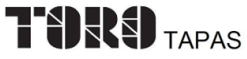 |
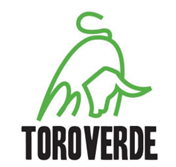 |
Genuine use established
The Board found genuine use proven through photographs of TORO TAPAS restaurants in El Puerto de Santa María and Ronda, licence agreements, invoices showing monthly fees exceeding EUR 22,000, press articles, and social media presence with over 5,000 Instagram followers. TripAdvisor reviews (over 900 and 650 respectively) included reviews in English, Italian and French, with both restaurants achieving 'Travellers' Choice 2022' status.
The Board rejected the argument that use was "merely local", finding that both towns are tourist locations where customers come from across Spain and Europe, as evidenced by foreign-language reviews. Critically, the Board held that restaurant services on fixed premises are necessarily location-specific, and genuine use cannot require presence throughout a country or multiple EU countries.
Likelihood of confusion
The services in question were found identical and similar. The Board held that the Spanish public would understand 'TOROVERDE' as meaning "green bull" (bull green), with 'VERDE' being distinctive but semantically subordinate to 'TORO'. The figurative bull element was found to be weakly distinctive and to simply reinforce the "TORO" element.
The signs were found visually similar (to a below average degree), aurally similar (to an above average degree, particularly as the 'TAPAS' element would likely be omitted) and conceptually similar (to a high degree).
The Board concluded that the Spanish public might believe the services are provided by the same or economically-linked undertakings, based on the coincidence of 'TORO' as the dominant and most distinctive element in both marks.
What does this mean for you?
- The decision provides reassurance for hospitality businesses that EU-wide protection does not necessarily require extensive geographical coverage. Operators can maintain protection through focused use in strategic locations, particularly tourist destinations with cross-border appeal.
- Those using an EUTM in a single country might be able to demonstrate genuine use through cross-border reach, as evidenced by multilingual reviews and international press coverage.
- When selecting new marks, brand owners should ensure thorough clearance of dominant and distinctive elements, not just exact matches. Descriptive additions or decorative figurative elements may not prevent a finding of likelihood of confusion where core elements coincide.
- The decision will be welcome news to those in the hospitality sector and follows other positive decisions such as in the Standard International case where the General Court held that a hotel based outside of the EU could potentially show genuine use of its name in the EU based on EU advertising.
本系列内容
Big ECJ ruling: oppositions/invalidity actions will fail if the prior rights cease to exist
Louise Popple explores how this ECJ ruling gives greater scope for defendants to thwart opposition/invalidity actions
2026年2月12日
Court of Appeal says pantone numbers not needed for most figurative marks: BABEK v Iceland
Aaron Wyness considers this important UK ruling on Pantone numbers and descriptions
2026年2月18日
In case you missed it - 2025: designs
Fabio Lo Iacono summarises the key UK and EU designs decisions from 2025
2026年2月18日
Two restaurants sufficient for genuine use of an EUTM: TOROVERDE v TORO TAPAS
Erik Rouk looks at this useful ruling for the hospitality industry
2026年2月18日
When passing off and trade mark rights clash: the WISE decision
Erik Rouk considers the UK Wise Payments decision and how to avoid clashes of rights
2026年2月18日

Related Insights

When passing off and trade mark rights clash: the WISE decision
Erik Rouk considers the UK Wise Payments decision and how to avoid clashes of rights

In case you missed it - 2025: designs
Fabio Lo Iacono summarises the key UK and EU designs decisions from 2025

Court of Appeal says pantone numbers not needed for most figurative marks: BABEK v Iceland
Aaron Wyness considers this important UK ruling on Pantone numbers and descriptions